
Wireless Charging Safety and Myths
What the standards and evidence say, and the precautions that matter.
Buy CertifiedWireless charging is a mature, regulated technology, but plenty of myths still circulate. Here is what the evidence and the standards say, and the few precautions that genuinely matter.
Myth: Wireless Charging Ruins Your Battery
Batteries age with every charge cycle and age faster when hot. Wireless charging can run warmer than a cable, so the practical advice is about heat, not wireless as such: use a certified charger, keep it aligned, remove thick cases and avoid charging in hot places. Phones also manage charging themselves and slow down when warm.
Myth: Leaving a Phone on the Pad Overnight Overcharges It
Phones control their own charging and stop or trickle when the battery is full; the pad cannot force power in. Many phones offer optimized or adaptive charging that holds the battery below full for part of the night. Keep the pad uncovered so heat can escape.
Myth: The Magnetic Field Is Harmful Radiation
Phone chargers use a low-power magnetic field that drops off within a few centimeters. Consumer wireless devices sold in the U.S. must meet Federal Communications Commission exposure rules; the FCC’s guide to wireless devices and health concerns explains how limits are set, and the FDA’s review of cell phone safety science summarizes research on radio-frequency energy from phones. If you have a specific medical concern, ask your doctor.
Real Precautions That Matter
- Remove metal objects. Coins, keys, rings or foil between the phone and pad can heat up. Certified chargers are designed to detect stray metal and cut power, but don’t rely on it.
- Keep cards away. Card-wallet cases block charging and the field can affect magnetic stripes.
- Medical implants. Follow your implant maker’s guidance on keeping magnets and chargers at a distance.
- Buy certified. Look for Qi or Qi2 certification from the Wireless Power Consortium.
- Watch for damage. Stop using a charger with a frayed cable, scorch marks or one that gets unusually hot.
Myth: It Works Through Anything
Wireless charging is designed for a thin gap. A normal case is fine; a rugged case, metal plate for a car mount, pop-out grip or wallet can slow or stop charging. Magnetic chargers need a magnetic case or a phone with built-in magnets to align properly.
Myth: Wireless Means No Wires at All
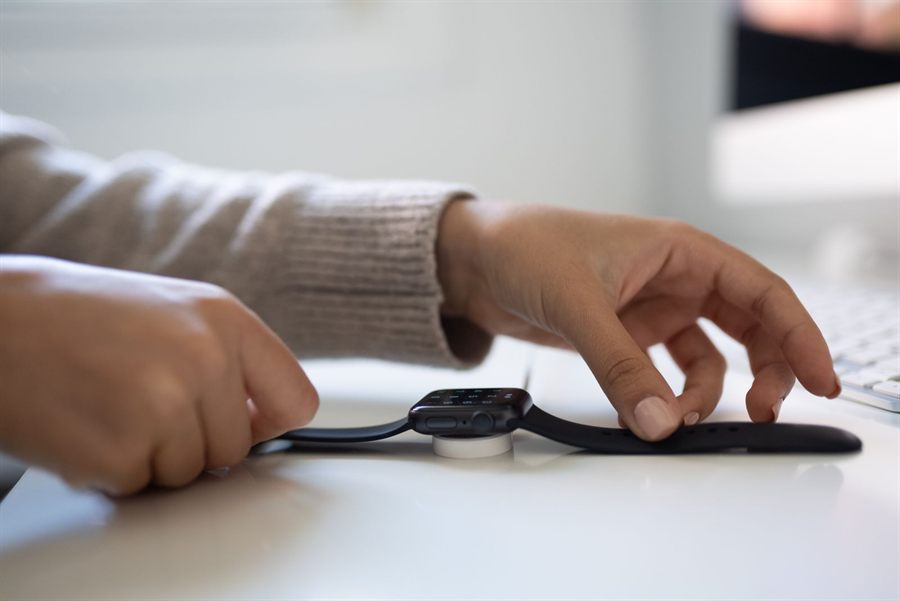
The charger still plugs in. What wireless charging removes is the cable at the device, which reduces port wear and is handy for sealed devices such as toothbrushes and watches.
Safety Questions
Can I leave my phone on a wireless charger overnight?
Yes, modern phones stop or trickle charging when full, and many offer optimized charging that waits to finish near your usual wake-up time. Keep the charger in the open, not under bedding, so heat can escape.
Can a wireless charger damage credit cards?
Cards with magnetic stripes or chips kept between the phone and a charger can be affected, and they also block charging. Remove card-wallet cases before charging.
Is wireless charging safe with a pacemaker?
Medical device makers often advise keeping magnets and wireless chargers a set distance from implanted devices. Follow the guidance from your device maker and your doctor.
Check a Charger’s Certification
The Wireless Power Consortium explains Qi and Qi2 and links to its product search, so you can confirm a charger was tested.
Visit the WPC