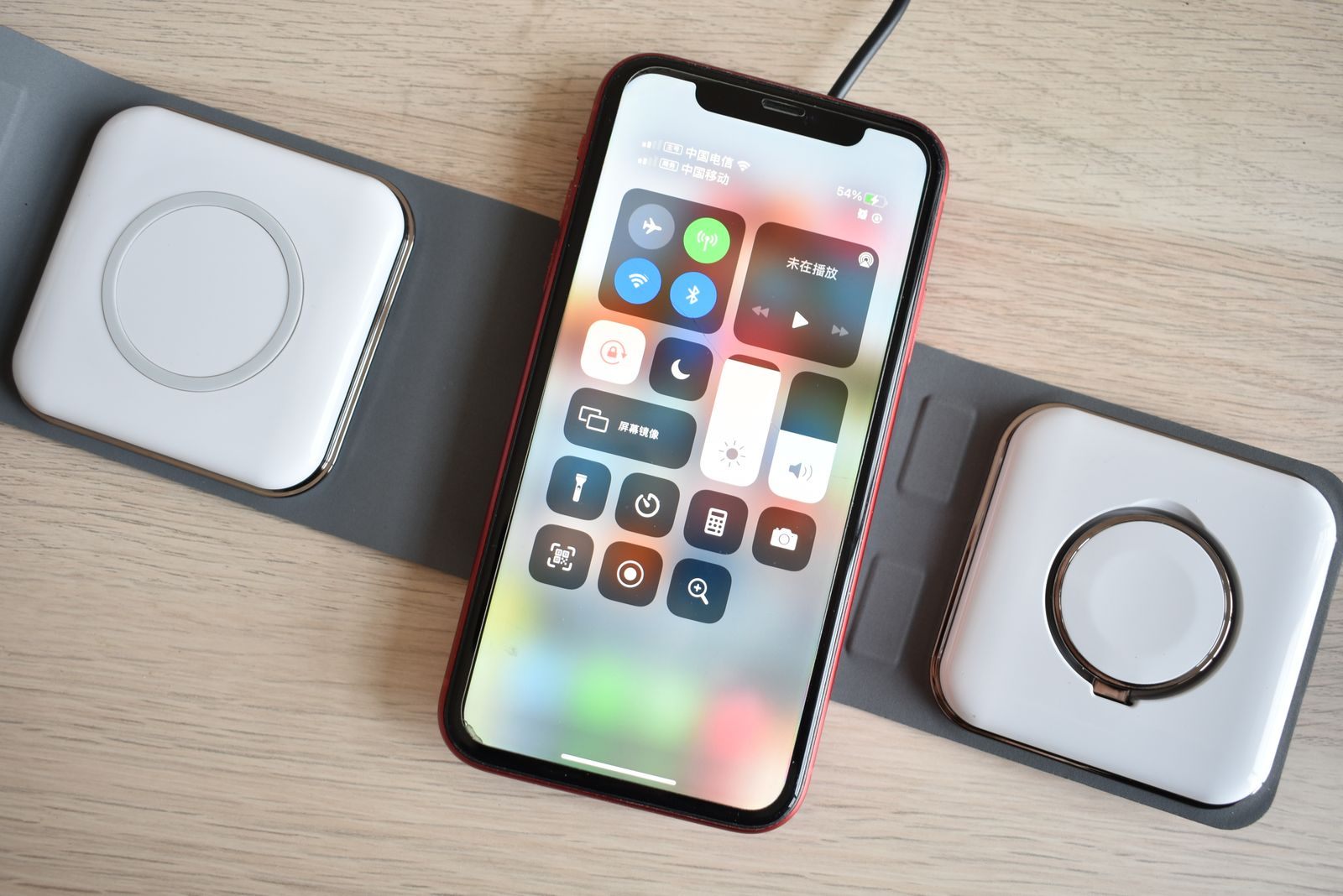
Qi and Qi2 Explained
The shared standard that lets one charger work with many devices.
Visit the WPCQi (pronounced “chee”) is the shared wireless charging standard used by most phones, earbuds and accessories. It is why a pad bought for one phone usually charges another. Here is what the standard covers, what changed with Qi2, and how to check a product.
Who Makes the Rules
Qi is developed by the Wireless Power Consortium, an industry group of device and component makers. The consortium says Qi launched in 2010 and that thousands of certified products are now on the market. Certification requires testing at independent authorized labs for safety and interoperability before a product may use the Qi or Qi2 logo.
Qi, Qi2 and Qi2 25W
| Version | What it brought | Notes |
|---|---|---|
| Qi (original) | Shared inductive charging for phones and small devices | Flat pads; the phone must be centered over the coil |
| Qi2 (Qi v2.0, 2023) | Magnetic attachment and alignment; up to 15W for certified devices | Magnets snap the phone into the best position |
| Qi2 25W (from Qi v2.2.1, 2025) | A faster tier at up to 25W | Keeps the magnetic alignment; the device must support it |
Qi2’s key change is the Magnetic Power Profile: a ring of magnets in the charger and the device that holds them in perfect alignment. According to the WPC, devices without that magnetic profile cannot use the Qi2 name. Better alignment means less wasted energy, less heat and faster, more reliable charging.
Which Devices Support Qi?
Rather than list models (which change every season), check three things in your device’s official specifications:
- Does it list Qi or Qi2 wireless charging?
- What is the maximum wireless charging power it accepts?
- Does it have built-in magnets for Qi2 alignment, or does it need a magnetic case to use magnetic chargers?
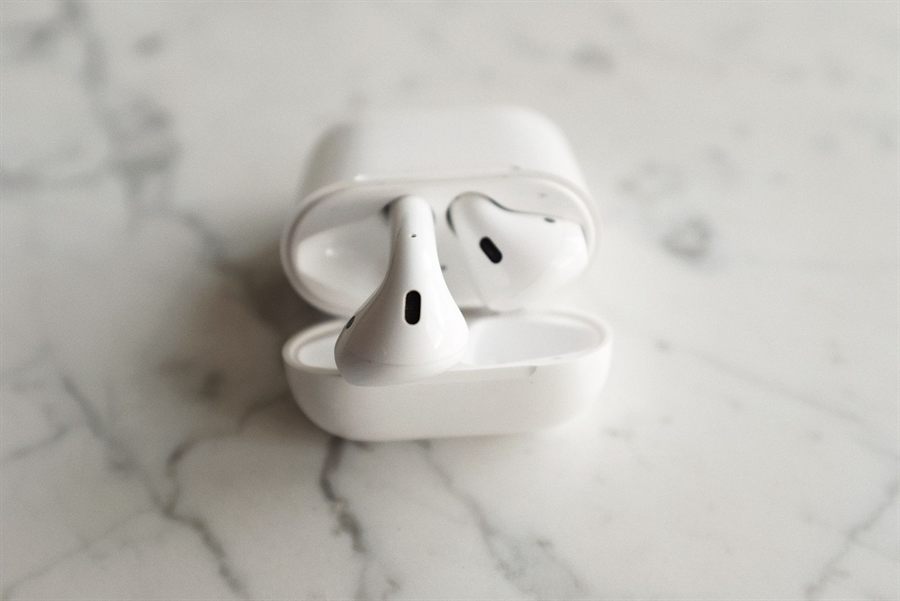
Many mid-range and premium phones, many earbud cases and some watches support Qi. Some devices use their own proprietary wireless chargers instead, especially watches.
Checking Certification
- Look for the Qi or Qi2 logo on the packaging and product, not just the words “Qi compatible” in an ad.
- Search the WPC’s certified product search by brand or model.
- Be cautious with very cheap unbranded chargers sold without certification: poor heat control and missing safety checks are the usual shortcuts.
- Read the WPC knowledge base for consumer explanations straight from the standards body.
Qi and Qi2 Questions
Will a Qi2 charger work with an older Qi phone?
Qi2 chargers are designed to be backward compatible with Qi devices, but an older phone without the magnetic profile will charge at its own, usually lower, rate and without magnetic alignment.
Is every magnetic charger a Qi2 charger?
No. Some magnetic chargers are uncertified or use their own designs. Only products that pass certification may carry the Qi2 logo; check the WPC’s product search if you are unsure.
Do I need Qi2 25W for a phone that only supports 15W?
A faster charger will not push more power than the phone accepts. It can still be a reasonable choice for a future phone, but it will not speed up a device that tops out at a lower level.
Pick the Right Shape of Charger
Flat pad, upright stand, multi-device station or car mount: how to match a wireless charger to where you use it.
Pads, Stands and Stations