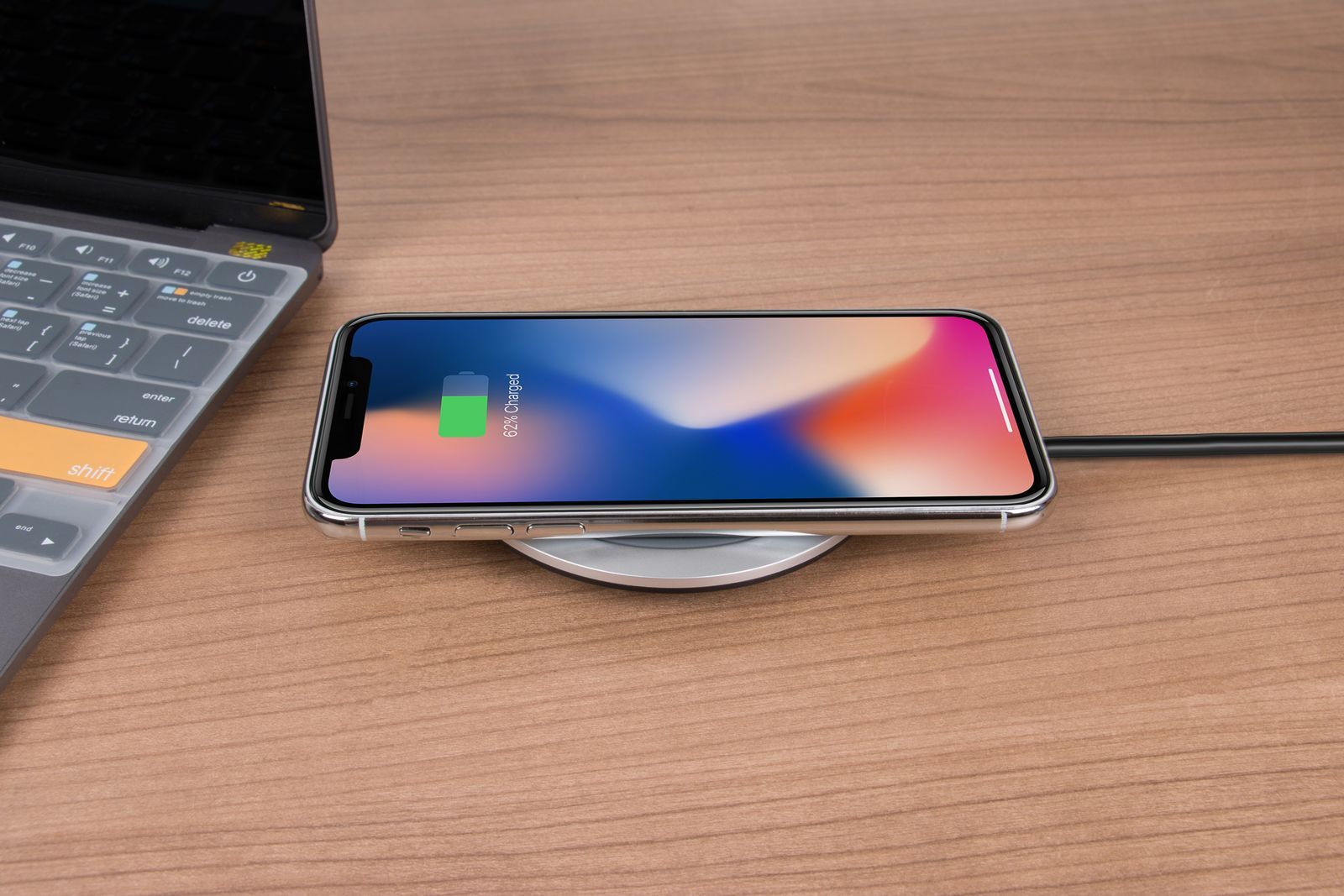
How Does Wireless Charging Work?
Coils, magnetic fields and the standards behind the pad on your nightstand.
See the PhysicsHow Does Wireless Charging Work?
How does wireless charging work when nothing is plugged into your phone? The short answer is magnetism. A coil of wire in the charging pad creates a rapidly changing magnetic field; a matching coil inside your phone sits in that field and turns it back into electric current, which charges the battery. No metal contacts touch, and nothing travels through the air except a magnetic field that reaches only a short distance.
This site explains wireless power in plain English — the physics, the Qi and Qi2 standards, what affects speed and heat, the difference between a wireless charging pad, stand and station, how electric cars can charge wirelessly, and what is (and isn’t) possible over longer distances. We don’t sell chargers or rank brands; we point you to the standards bodies that set the rules.
How it works
Coils, magnetic fields, induction and resonance, step by step.
Qi and Qi2
The industry standard, what the logos mean and how to check certification.
Pads, stands and stations
Which shape suits your desk, bedside or car, and multi-device stations.
Speed and heat
Why wireless is slower, why phones get warm, and how to keep it efficient.
EV charging
Charging a car parked over a pad, and the SAE J2954 standard.
Long-range power
Wireless power transfer over distance: what research shows and the limits.
Wireless Power Transfer in One Picture
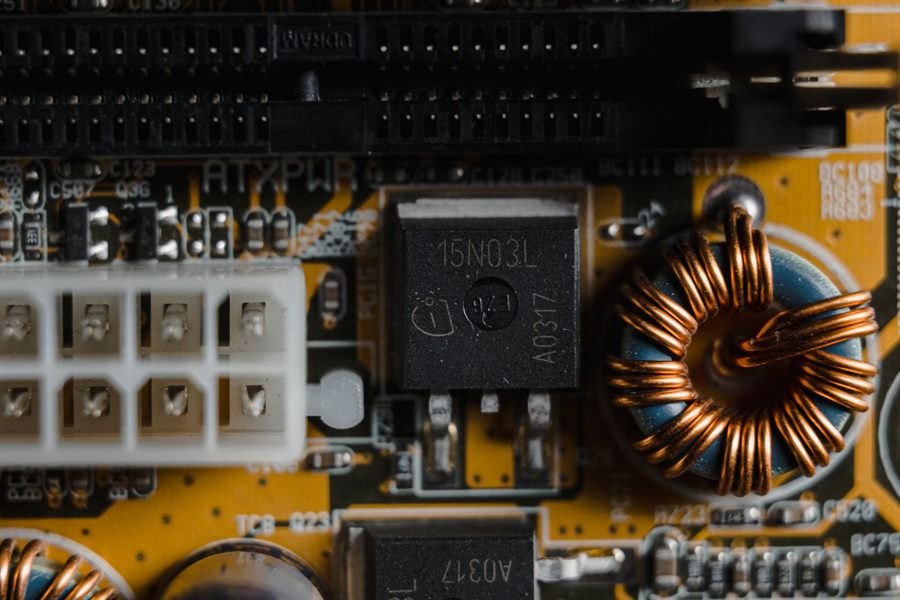
Every wireless power transfer system has three parts: a transmitter that turns household electricity into a high-frequency alternating current, a gap the energy has to cross, and a receiver that turns it back into steady direct current for the battery. In a phone charger, the gap is the thickness of the phone’s back and your case. In an electric-vehicle system it is the space between a pad on the garage floor and a pad under the car.
The closer and better aligned the two coils are, the more of the energy arrives where you want it. That single fact explains most of what you’ll read on this site: why magnets help, why thick cases slow things down, and why charging across a room is so hard.
Where You Already Use It
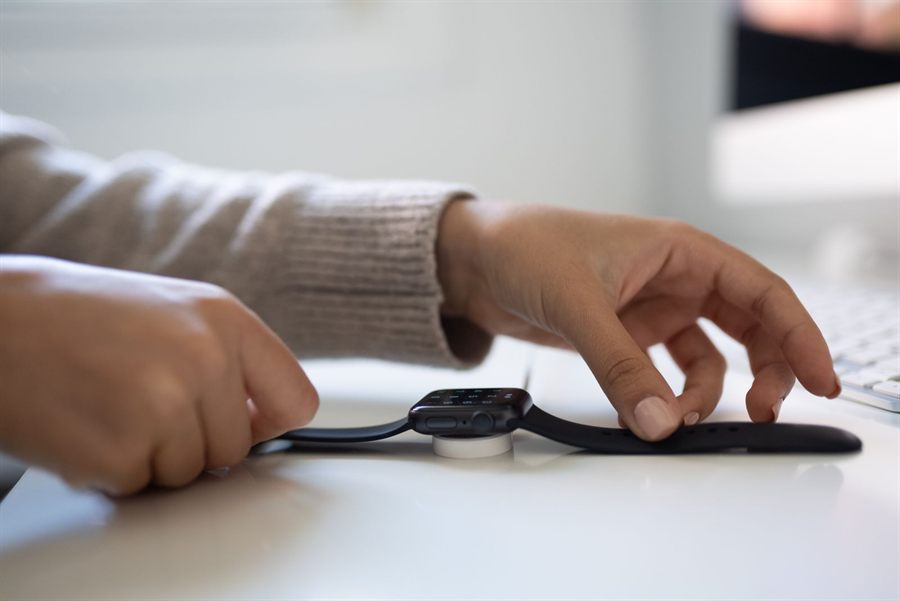
Watches
Most smartwatches charge on a small magnetic puck, a compact form of inductive charging.
Chargers compared →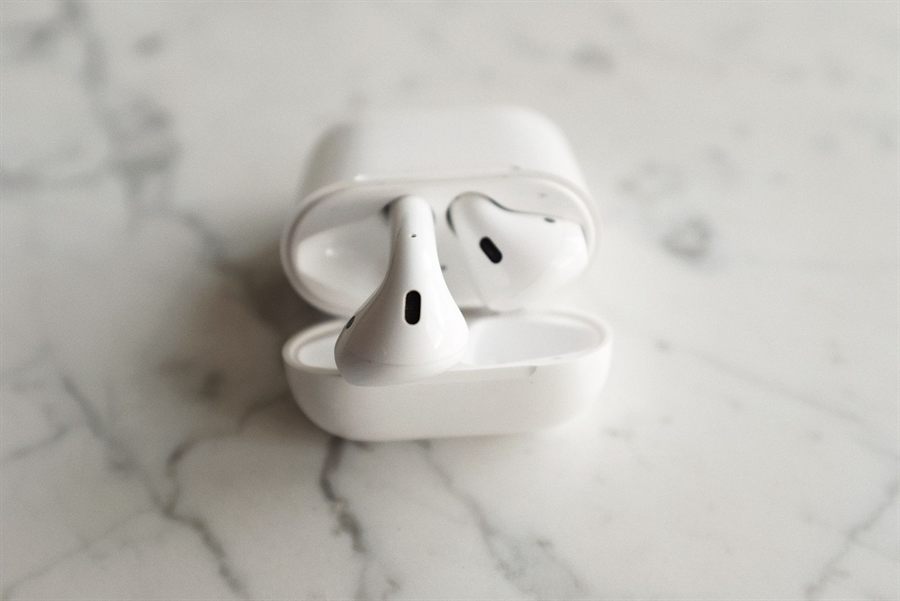
Toothbrushes
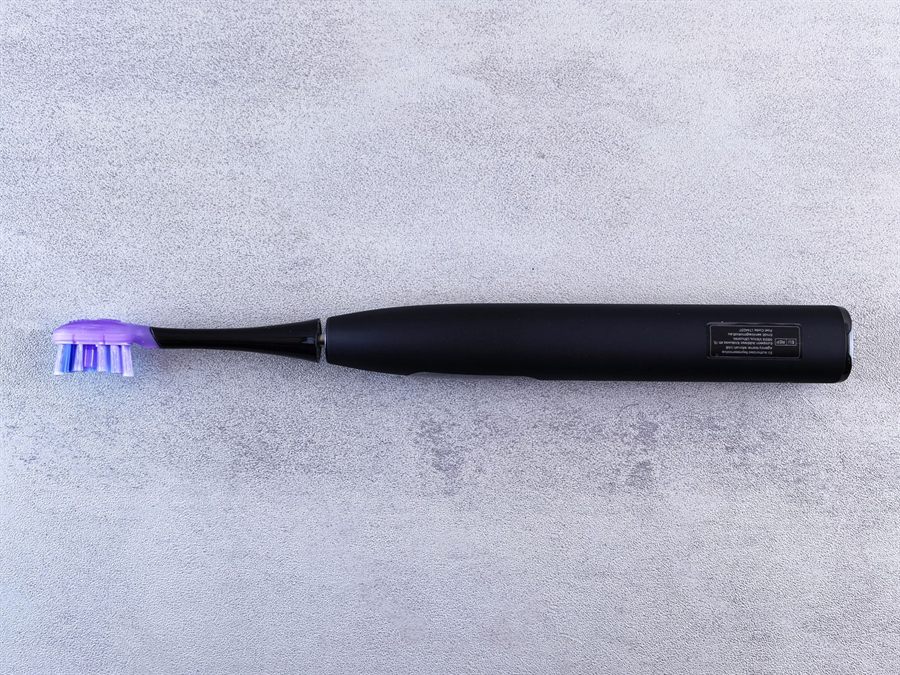
Electric toothbrushes used induction long before phones did, because a sealed handle keeps water out.
How induction works →The idea is not new. Physicists described electromagnetic induction in the 1830s, and inventors such as Nikola Tesla experimented with sending power without wires around 1900. What changed in recent decades was cheap, efficient electronics and shared standards, which turned a laboratory trick into something built into everyday devices.
Phones get most of the attention, but the same principle charges watches, earbuds, toothbrushes, some kitchen appliances, medical implants and, increasingly, electric vehicles.
What to Look For in a Wireless Charging Pad
- Certification. A Qi or Qi2 logo from the Wireless Power Consortium means the product passed independent safety and compatibility testing. You can look products up in the WPC’s certified product search.
- The right power adapter. A pad can only deliver what its wall adapter supplies. Use the adapter the maker recommends.
- Alignment. Magnetic (Qi2) chargers snap into the right spot; flat pads without magnets need the phone centered over the coil.
- Your case. Thin plastic or silicone is usually fine; metal, thick rugged cases, card wallets and magnetic mounts can block or slow charging.
- Heat management. Look for chargers with ventilation or fans if you plan to fast-charge often.
Need a phone repair shop or an electronics store near you? Search Best of the USA for local businesses in your town.
Quick Answers
Is wireless charging really wireless?
Only for the last few millimeters. The charging pad still plugs into the wall; what disappears is the cable between the pad and your device. Energy crosses that small gap as a magnetic field.
Is wireless charging slower than a cable?
Usually, yes, though the gap has narrowed. Newer standards such as Qi2 deliver more power with magnetic alignment, but a good cable charger is still typically quicker and wastes less energy as heat.
Does my phone support wireless charging?
Check your phone maker’s specifications for Qi or Qi2 support. Many mid-range and premium phones from recent years include it; many budget models do not.
Can wireless power charge things across a room?
Not in any practical, everyday way yet for phones or laptops. Long-range wireless power exists in labs and in niche low-power products, but efficiency falls off quickly with distance.
See the Physics Step by Step
From the wall outlet to your battery: coils, alternating current, magnetic fields and the receiver in your phone.
How Wireless Charging Works